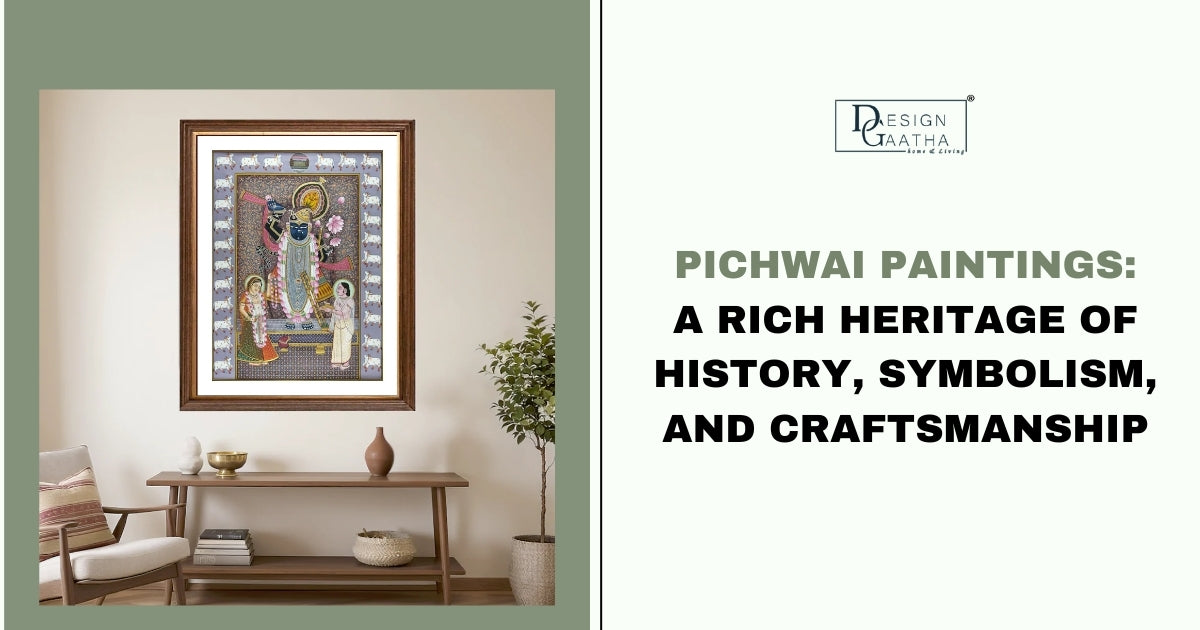
Pichwai paintings are among India’s most revered and visually rich traditional art forms, celebrated for their intricate detailing and deep spiritual significance. Originating in Rajasthan, these paintings narrate devotional stories through art that has been preserved for centuries. Today, the growing availability of Pichwai paintings online has helped this sacred art travel beyond temple walls and into modern homes, allowing art lovers and collectors worldwide to connect with its timeless beauty.
History of Pichwai Paintings
The origins of Pichwai paintings trace back nearly 400 years to Nathdwara, a temple town in Rajasthan. These artworks were traditionally created as textile backdrops behind the idol of Lord Krishna, worshipped in his Shrinathji form. Crafted on hand-spun cotton cloth, the paintings were displayed during festivals, seasonal changes, and special rituals.
Artists used natural pigments derived from minerals, plants, and precious metals, making the process extremely time-intensive. Over generations, this devotional art form evolved into a sophisticated painting tradition, admired for its storytelling, precision, and spiritual depth.
Symbolism and Iconography in Pichwai Art
Pichwai paintings are rich in symbolism, with each element carrying spiritual meaning. Common motifs include lotus flowers symbolizing purity, cows representing devotion and abundance, and peacocks signifying grace and divinity. Celestial beings, lush landscapes, and ornate temple architecture further enhance the sacred narrative.
Among the most sought-after themes are Shrinathji Pichwai paintings, which depict Lord Krishna in various moods, postures, and festive celebrations. These artworks are considered visual expressions of devotion and are believed to bring harmony, positivity, and spiritual energy into living spaces.
Craftsmanship and Artistic Techniques
Creating a Pichwai painting requires immense patience and skill. Artists begin with detailed sketches before applying multiple layers of color. Gold and silver detailing is often added to highlight ornaments, lotuses, and architectural elements. This meticulous craftsmanship ensures that no two paintings are ever identical.
The combination of spiritual storytelling and fine artistry makes Pichwai paintings highly valued among collectors and connoisseurs of Indian heritage art.
Choosing the Right Pichwai Painting for Your Space
Selecting a Pichwai painting depends on factors such as size, theme, and placement. Large Pichwai paintings are ideal for living rooms, entrance halls, or meditation areas, where they can serve as powerful focal points. Their scale allows intricate details to shine and creates a serene yet majestic presence.
Smaller paintings work beautifully in prayer rooms or intimate corners, adding spiritual warmth without overwhelming the space. Color harmony with existing interiors is also important to maintain visual balance.
Buying Pichwai Paintings in the Modern Era
With increased interest in heritage art, many collectors prefer to buy Pichwai paintings online for convenience and wider access. Online platforms provide detailed artwork descriptions, artist backgrounds, and high-resolution images, helping buyers make informed decisions.
However, authenticity is key. Genuine Pichwai paintings are hand-painted using traditional techniques and materials. Choosing trusted platforms ensures you receive an artwork that honors the legacy of this centuries-old tradition while supporting skilled artisans.
Bottom Line
Pichwai paintings beautifully represent the fusion of devotion, storytelling, and artistic excellence. From their sacred beginnings in Nathdwara temples to their presence in contemporary homes, they continue to inspire awe and reverence. Exploring Pichwai paintings online allows collectors to connect with this heritage art form while preserving its authenticity. Curated platforms like Design Gaatha play an important role in bringing genuine Pichwai artworks to discerning art lovers while celebrating India’s rich artistic legacy.
FAQs
1. What makes Pichwai paintings unique compared to other Indian art forms?
Pichwai paintings online showcase a unique blend of devotion and fine artistry. Unlike many decorative art forms, Pichwai paintings are deeply rooted in spiritual worship and ritual traditions. Their intricate detailing, symbolic elements, and hand-painted techniques make them highly distinctive and culturally significant.
2. Why are Shrinathji Pichwai paintings so popular?
Shrinathji Pichwai paintings are popular because they depict Lord Krishna in his most revered and devotional form. These paintings capture various festivals, seasons, and divine moments, making them spiritually meaningful while also being visually rich and deeply symbolic for devotees and collectors alike.
3. How can I ensure authenticity when buying Pichwai paintings online?
When you buy Pichwai paintings online, look for platforms that provide artist details, material descriptions, and close-up images. Authentic Pichwai paintings are hand-painted on cloth using traditional pigments and techniques, and reputable sellers emphasize craftsmanship and cultural integrity.
4. Are large Pichwai paintings suitable for modern homes?
Yes, large Pichwai paintings can enhance modern homes by acting as statement art pieces. Their intricate patterns and rich colors create a striking contrast in contemporary interiors while adding cultural depth, spirituality, and a sense of timeless elegance to the space.
5. How should Pichwai paintings be maintained?
Pichwai paintings should be kept away from direct sunlight and moisture to preserve their colors and fabric. Regular dusting and careful handling ensure longevity, allowing the artwork to retain its beauty and spiritual essence for generations.